
Approx. reading time:
I am a lurker. There, I’ve said it. I participate in digital life by taking more than I contribute. I happily browse through Instagram looking at some of my favorite street photographers’ photos, watching funny animal videos, and saving the occasional food hack I’ve yet to use. And yet, I haven’t actually posted anything in my feed since October 2020.
I do post to my Stories from time to time but stories are different. I know, I know, IG Stories was a blatant rip-off—right down to the name—of Snap’s ephemeral Stories but that doesn’t change the fact that disappearing posts lowers the barrier of entry to participation.
To be clear: I don’t hate people. I just don’t like the idea of some company building a graph of my social connections and gathering data about me. I am uncomfortable with how accurate its insights are as to who I am as a consumer. You know what I’m talking about, I’m sure you’ve seen those ads of that one random thing you were talking to a friend about in person, and next thing you know ads for that fancy singing Japanese rice cooker are chasing you down all over the internet.
But I’m the person that advertisers need to move to buy things. I’m the hardest customer to motivate: the lurker. The person who doesn’t need to participate.
I’m here to tell you it can be done. It just takes a little more than a catchy caption.
Lurkers Are Not What The Social Media Sites Want
Much as I wanted to keep my online persona private, the fact that I’m even on Instagram at all following people and businesses tells Instagram everything it needs to know about me. Even if I never like another post ever again, they have my information. Being a lurker just isn’t what it used to be when the app watches every user and quantifies their every behavior. The algorithm can likely tell my educational attainment, economic class, preferences, interests, and a myriad of other things I probably don’t even consciously know about myself.
And there are others out there like me. They won’t be into the same things I’m into, of course, but there’s something on Instagram they’re into. The kind of product photography that works on me might not do it for them but Instagram is about more than just pictures these days. Getting people like us to participate by doing something other than just being there could be a boon to niche businesses everywhere.
Shaking Off the Shackles Of “The Big Blue App”
Before I go on, you may have noticed that I have yet to talk directly about the big blue app. I don’t have a Facebook account.
I did have one at two points in the past: first, around 2007/2008 back when it was relatively new. Facebook’s priorities were very different back then. This was before Facebook was a mobile-first experience (most people accessed Facebook on something called a computer) and before everything was algorithmically-optimized for maximum engagement.
I didn’t use the site much. I would post status updates from time to time and even share links to some of the first Ken Block Gymkhana videos but that was about it. Sure, I’d also low-key stalk people I knew and even occasionally get sucked into a black hole from time to time but that was about it. That was why deciding to delete my account wasn’t so hard when I felt that I’ve had enough of Facebook’s surveillance.
The second time I had to open an account was when I decided to go back to school in 2013 to get my diploma. Schoolroom standard operating procedure had changed drastically in the time I was out working in the real world. Texts and other readings had been uploaded to Yahoo Groups in 2009. In 2013, everything was done on Facebook.
I tried to keep things simple. I’d log in and join my class’ Facebook group to download whatever I had to or read announcements. But of course, that’s not how the social network is designed to work: you also have to add friends because otherwise, you come across as some antisocial, callous jerk. I also couldn’t not approve the friend requests I got from my circle of friends who’ve been notified I was back and I certainly couldn’t not add my new classmates. That’s just rude.
After I was done with school, I deleted my Facebook account and went dark. Or as dark as possible when Facebook now also owns Instagram, which I use.
There is no escaping them. A few years back, Facebook decided to unify the backends of the Facebook app, Instagram, and WhatsApp to make it more difficult for regulators to break up. Since then, I don’t think they even need you to use the blue app anymore. Facebook’s legions of engineers have been exporting more and more of the blue app’s features to both Instagram and WhatsApp.
To Us, Crossposting Is A Trap
Personally, I think this cross-pollination has made Instagram a worse experience. The app is no longer filled with beautifully composed pictures by photographers sharing their work, or charming slice-of-life windows into the lives of people I follow. It’s all about Reels or cross-posted TikToks or sponsored posts or products being pushed by the algorithm.
What Facebook—and every other social network for that matter—wants is a user who spends time in the app liking, sharing, commenting, and (sure why not), posting. This is what gives them the insights to hone and refine the secret sauce that makes the algorithm so compelling. If you stop and take a beat to think about it, this isn’t so different from how forums used to operate. A community can only grow if there are enough inputs to make it valuable and these behaviors are such low hurdles most people can’t help themselves.
We Resent The Give And Take Of Social Media
There is a downside to being a lurker and an enemy of the big blue app. There is a lurker penalty.
In a country where Facebook is effectively the internet, lurkers do pay a price for not participating. Have you ever tried selling something you no longer needed (an old phone, computer, or sneakers)? I bet you posted it on Marketplace. How about buying something used? Marketplace. There are alternatives: eBay Philippines is a thing and so is OLX. But are they really when your ad won’t get any reach?
I thought so.
You want to put up an ad where it will reach all your friends. But that’s where the lurker penalty comes in. No one sees your stuff if you aren’t posting yourself.
And, honestly, it’s getting harder and harder to remain a lurker. Every day, the various social media sites are getting better at finding ways to entice me.
The Temptations Of The ‘Gram
For all my complaining about how Instagram’s changed, I have to admit that it’s getting harder and harder not to buy anything in the app. You might have noticed this yourself too. The app once hailed as one of the internet’s most beautiful places is nothing more than a glorified shopping app these days. The insidious part is that all your likes have made it really good at figuring out what sponsored posts to serve you.
Complaining about not being able to sell my stuff online and how IG has changed is a very privileged problem to have. I get it. I work for an ad agency and have a better understanding than most of how the sausage is made. But that doesn’t change the fact that I’m still a consumer. At the end of the day, I still need to buy things.
Alluring the Lurkers
More and more of my discretionary purchases are happening online. I buy things from a brand’s website or Amazon just like everyone else. But I discover the things I want on Instagram. I bought a folding knife I didn’t need to the tune of $321 because it had a seigaha pattern engraved on its handle I thought looked cool. The evocative product photography broke me and got me to buy something. I haven’t used it since I got it.
E-commerce is definitely a thing. What brands need to look at is that segment of the market that exists just right there beyond their reach. Mainstream consumers will always be there and are quite well-served. It’s the lurkers with their hobbies and unique interests who can’t be bothered to like the ordinary things on Instagram businesses need to reach. They’re the ones with the money who are willing to spend it if you can just make that connection.
Ultimately, digital platforms aren’t about discovery but intimacy. It is the only thing powered by a device you first reach for in the morning. Making that connection with consumers who can choose to remain silent online can potentially unlock more revenue for them than their traditional customers.
Conclusion
It’s possible to reach a lurker. But you aren’t going to do it with glossy ads and reels, you need to be more subtle to get us to move. You need to tap into what we are looking for specifically.
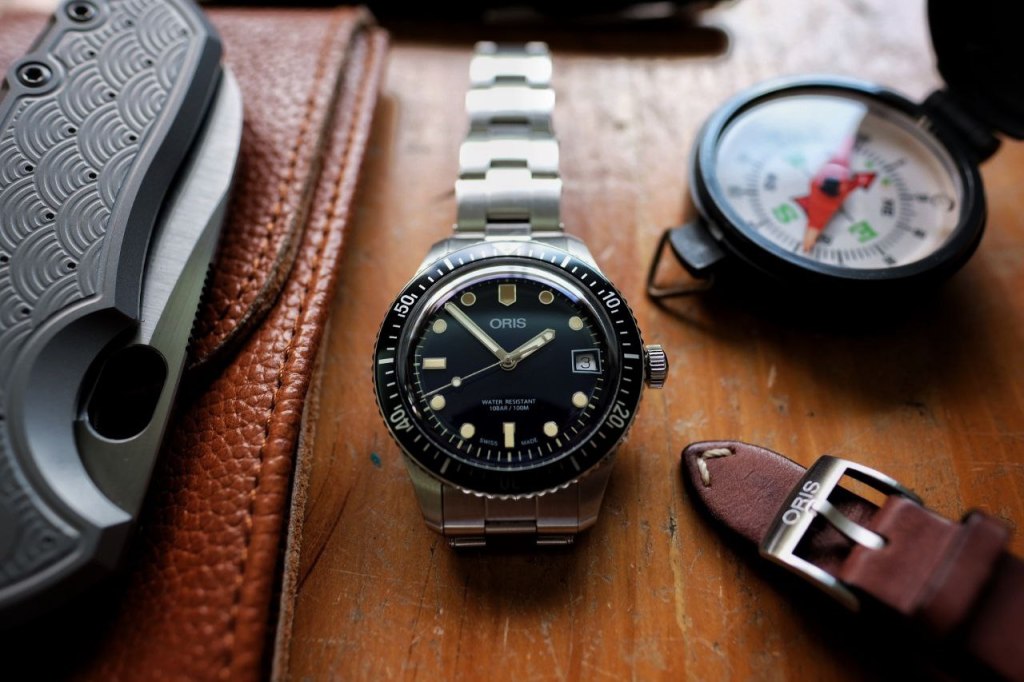
Instagram’s managed to break me. The aesthetic of the street photography I’ve been looking at for years was used against me. I didn’t buy the knife because it was featured in a perfectly-lit studio in the same way new iPhones are always presented. No, the picture was dark and moody. The knife was on a weathered table among other items a man who lives in a cabin might have. I bought the story that the picture captured in that one frame.
The thing is, I knew what was going on. I knew they were selling me something and I still bought the knife anyway. That purchase probably won’t be my last but that’s the kind of storytelling and sense of intimacy that got me to buy something I ordinarily wouldn’t have. Now that I’m a customer, I’m more likely to buy something from the company again now that I’m aware of them and acquainted with their products.
Until Instagram makes that level of connection again, I’ll quietly continue scrolling through pictures teaching it what to sell me next.
Enclosed: A picture similar to the one that got me!
 Journalixm