
Approx. reading time:
The world has ended. We are living in the aftermath of a major historical event. The great Shut Down has shown us just how fragile our society is and how easily our lifestyle can be taken away from us. This time, we were lucky and we have been able to make our new reality work. There are no Mad Max-style mutated gangs roaming a ruined landscape, but there are oil shortages, supply chain problems, inflation, and climate change to contend with.
In the Philippines, super storms are becoming a norm of the “ber months”, we accept that these big storms just come. Almost every year there is a new meme passed around praising Filipino resilience. On typhoon days you know the power will cut out, it’s just a matter of when. And we are incredibly dependent on electricity. Everything these days is wrapped up in the internet and the mobile experience.
Here’s the thing: they don’t have to be. We don’t have to spend our whole lives dependent on what we can charge through electricity.
Some people have learned to live in the analog world and learning an IRL skill can help you appreciate your digital footprint more. IRL skills are slow skills that many of our grandparents knew, such as how to make fruit jams and preserves, how to make furniture, how to grow vegetables, how to darn socks, and how to use shortwave radios. All of these are skills that are important in a non-electricity-rich environment.
Now that we are living in mercurial times, it’s clear we can’t depend on the status quo. The skills we need to survive are dying out with our grandparents.
Ours is a consumer society. We are accustomed to throwing out perfectly serviceable materials and wasting bits of food, all of which can be useful, but the practical knowledge of how to be more mindful and how to stretch out our resources is dying out. All this IRL wisdom is being lost in favor of our new-fangled fast living.
What Are Slow Skills?
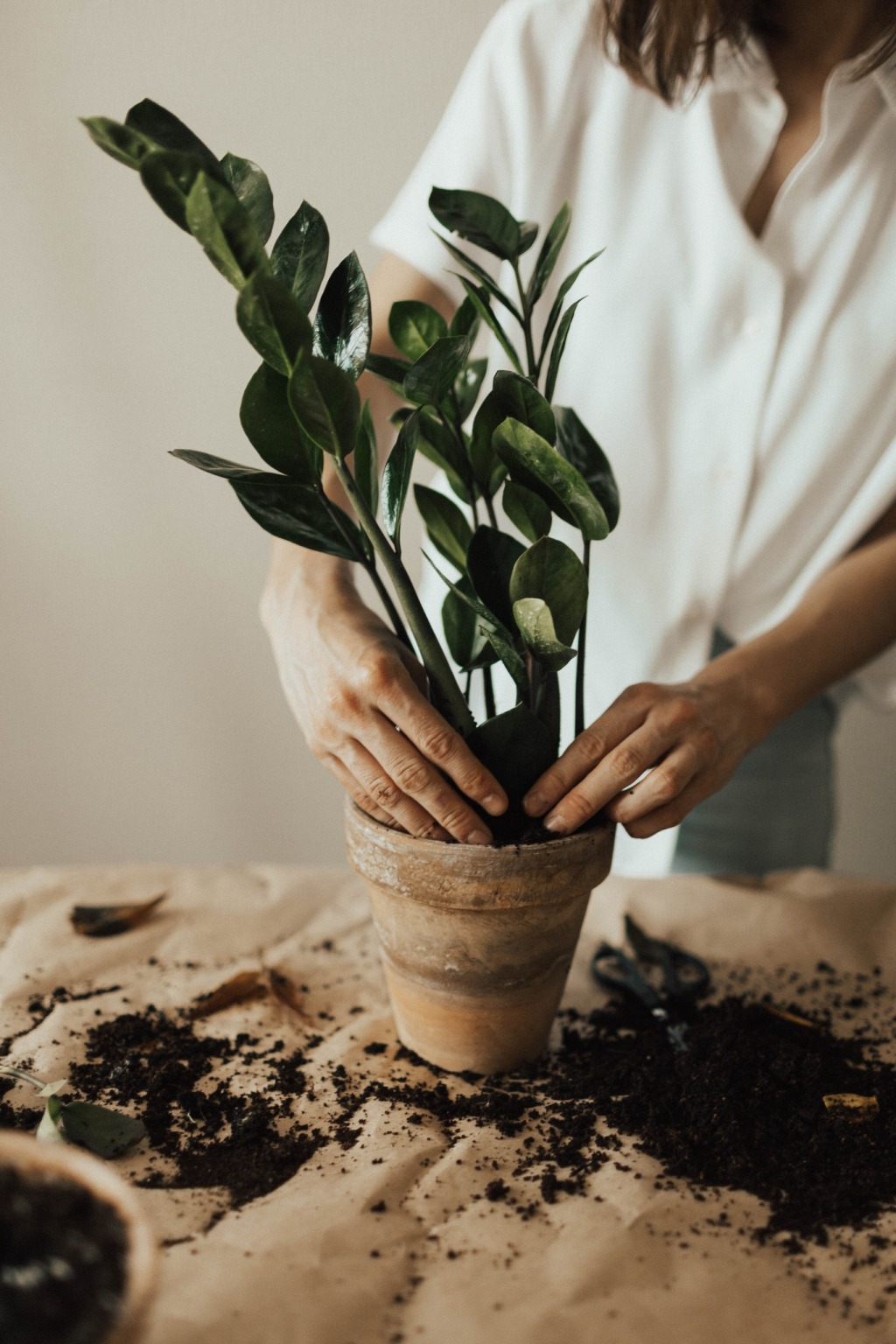
These are IRL skills, meatspace skills. Things that work with real life materials. Sewing is a very important slow skill, growing plants is a slow skill. Woodworking and farming are both slow skills. Smoking meat and cooking things from scratch are all slow skills. Pottery, glazing, woodworking, and building shelter are all slow skills, none of which are given much priority.
Even writing cursive and shorthand are lost slow skills that we have been ignoring. The art of taking notes has been losing popularity in favor of the voice recorders that we tote around in our pockets. A lot of these “primitive” technologies are actually very practical and can give you an enormous amount of perspective on how things are made and how much our “instant” world has distanced us from our food, our clothes, and even our makeup. We just buy it all now, we never think to make our own.
Slow Skills Can Teach STEM
One way to promote learning slow skills is to teach them in school. There are many practical applications to many slow skills.
Having trouble teaching children Geometry? That’s because it’s theoretical. Make it more practical, by applying it to something. Geometry is essential in woodworking and sewing clothing, and it teaches children practical skills they can use later on in life.
Pretty much any household chore involves chemistry. Chemistry is one of the most important things to learn as it’s the basis of cooking, baking, healing, and even making booze. Distilling and brewing are very important slow skills because how the hell are we gonna want to keep on living without inumans?
Chemistry and biology are important in food preservation to keep things from molding or spoiling. In a world where refrigeration has become very expensive, learning how to use all the meat in one go and keep it preserved is a precious skill to have. Knowing how to make jams and fruit preserves isn’t just a quaint hobby, those sweet treats could also be a good source of vitamins through a long period of famine.
What’s The Worst Case Scenario Look Like?
While this might seem alarmist, we’re not suggesting that there is a zombie apocalypse around the corner that you should be prepping for every day. What we are suggesting is that it doesn’t hurt to be prepared for a major change in our society. Once you are dependent on one thing (i.e. the internet) you are utterly useless when it’s taken away. You are left without anything to contribute, without any knowledge, or even a way to entertain yourself.
Right now there is an energy crisis going on in Europe. Russia could employ nuclear weapons which will cause problems with electricity of massive proportions. We don’t know what the future will look like, so it makes sense to have a backup skill in case something happens.
Befriend that plant tita who grows her own vegetables, she will be an important resource in the society to come. We live in a finite world and we need to start thinking about it as more scarce then we used to because our level of consumption is just unsustainable.
Slow Skills Help Reduce Carbon Footprint
Do you want to be green? Learn how to stretch your clothes.
Fast Fashion is one of the biggest pollutants in the world. We have learned to make clothing quickly and cheaply and because of that, we have lost our relationship with garments. We don’t think about how hard it is to make a piece of clothing, we only think of how cheaply we can buy it. Our clothes are no longer made to order and made to last, they are made in bulk, and anything wasted just gets shipped off to a landfill. Once you’ve got a stain or a hole in it, it’s time to let it go. If we make our clothing last longer, by mending it or learning how to remove stains, we are reducing our carbon footprint.
Even our relationship with food has become processed, it’s so much easier to buy food from a convenience store or Grab something rather than make it yourself. But there is an art to ingredients and planning meals, even cooked food can be recycled into stews and sandwiches, and all sorts of extenders. When you know what goes into your food you are a lot more likely to be able to conserve it, to use all of it instead of just using parts of it and throwing away the rest.
Why Learn A Slow Skill In A Fast Paced World
We want everything and we want it yesterday, but it also makes a lot of our world more disposable. When you can buy something new then why care about what you have? When you learn how much it takes to distill water, to make shelter, to craft shoes, you start to realize the value of the things you buy. You are a lot more likely to recognize quality and make better decisions.
When you learn a slow skill, you also ground yourself in the real world. You aren’t left helpless when you are without google to tell you things. You have a little more to bring to the table the next time there is an emergency, and it’s only a matter of time before the next typhoon hits, or gas prices rise and you won’t be able to rely on Netflix or Disney Plus to pass the time.
Final Thoughts
Young people these days are learning the principles of coding in grade school. It’s the new literacy, supposedly. It’s going to be as important to know as reading, and yet while these students have all the technology at their fingertips, many can’t sew on a button, or unclog a toilet.
We are losing our tether to the real world in favor of the digital one. Which is why you should learn a slow skill.
While that’s admirable, and yes, it is important to learn to code, it’s also important to learn to cook, to garden, and to preserve meat. An apocalypse can hit at any time. In an instant, the world could change again and we will be stuck in the aftermath trying to make sense of it all. This time we were lucky and we were able to cope, next time we need to be more prepared.
Also, slow skills means you’ll definitely be one of the more useful people when the zombies come. Stay protected. Learn to grow tomatoes.
Photo by Valeria Ushakova on Pexels
 Journalixm