

Approx. reading time:
Chest binding, the practice of using constrictive materials to make breast tissue appear more male-presenting, can be one of the most mentally and emotionally beneficial things a transmasculine or nonbinary individual can do. In fact, for many folks it can be life-saving, protecting them from the most severe effects of gender dysphoria.
There are, however, few online resources on chest binding within the Philippine context. Many transmasculine or nonbinary Filipinos get their information from mostly Western online sources, which can be somewhat unrelatable, especially when the Philippines remains a laggard in trans rights. There’s also a disconnect when it comes to accessibility: while people in other countries might easily find chest binders of all sizes, many of those in the Philippines skew smaller, leaving people with D cups and larger with fewer options.
The relative lack of info and options can, in turn, lead to unsafe binding practices. For all the benefits that chest binding can bring to people, there are serious risks involved when done the wrong way.
If you’re a Filipino considering giving chest binding a try, here are a few tips on how to do it safely:
1. Use kinesiology tape instead of bandages
According to Matt Alea, co-founder and executive director of community-led support group Transmasculine Philippines, many transmasculine individuals start their binding journeys by using medical bandages—the sort that can easily be bought at the nearest drugstore. The problem with using bandages, however, is that they’re designed to restrict movement rather than provide flexible support, which can lead to serious health risks.
“The bandages don’t adjust to your body,” he says. “So if you move around a lot, or even if you’re just breathing, they can very easily constrict you. If you do that kind of binding, it can injure your ribs really easily.”
Instead, Matt recommends using kinesiology tape, which is designed to allow for full range of motion. It’s the tape you often see athletes using for additional support on their joints and muscles.
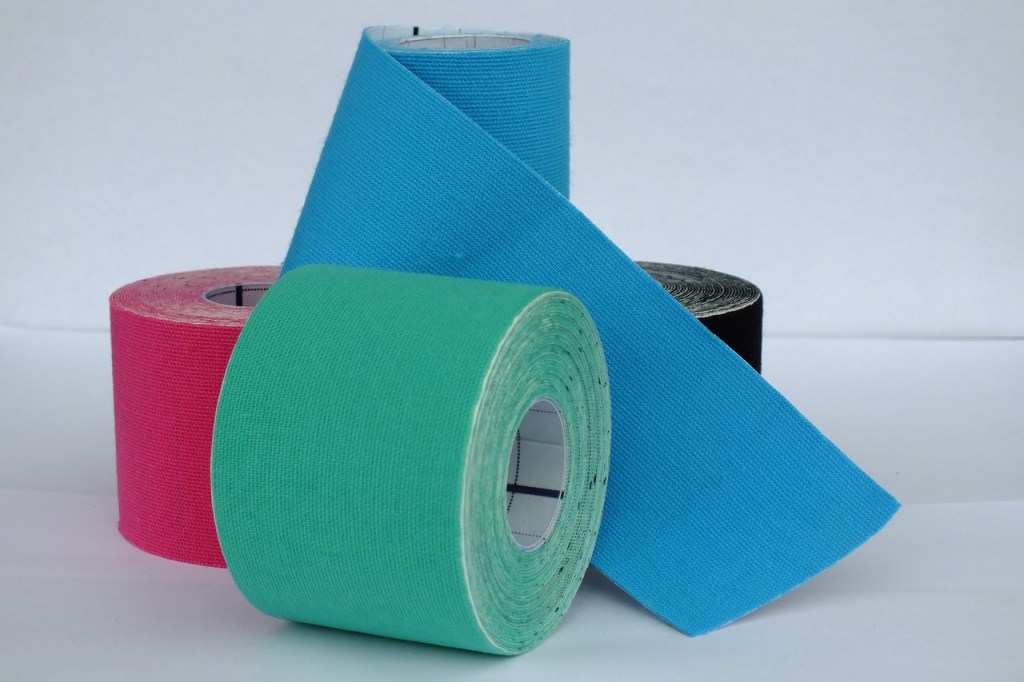
“It doesn’t compress your breathing because you only need to cover the part that has breast tissue,” Matt explains. “You just have to move the breast tissue into the position that makes it look like a typically male chest, and then just use the tape to keep it in place.”
“The worst thing that it can do is that if you’re allergic to the adhesives, it can irritate your skin. But that’s really the only risk,” he adds.
There is a small caveat, however: according to Matt, people with larger breast tissue might not be able to get the results they want. Because kinesiology tape is designed with flexibility in mind, it doesn’t offer too much in terms of compression. He suggests that people with C or D cups look into using chest binders or other safe methods instead.
For those for whom kinesiology tape is an option, Matt says that many trans people offer it on their Shopee stores, along with other items trans men may need.
2. Get a chest binder that’s designed specifically for your needs
Chest binders are essentially compression tops that help shape breast tissue into a more typically male appearance, without being too constricting. However, not all binders are made equal, just as not all human bodies are the same.

For people with larger breast tissue, Matt recommends checking out HerShe, a local brand that makes binders in more size options. They also make binders that are safe for swimming, which is relatively rare in the Philippine market.
They are also higher-priced than other brands, so Matt also recommends Evixi, another local brand, for those with more modest budgets. Their designs have different options for closure methods—velcro, zippers, pins, etc.—so you can pick whichever you’re most comfy with. They also have a binder with a sando attached to it so that customers won’t need to add another layer over it.
Finally, if you’re prone to heatstroke, Matt suggests looking for binders with mesh backs like the one he bought from Gamma Breast Binders. The brand is no longer active on Facebook or Instagram, but continues to operate a Shopee store.
3. Use your binder responsibly
While chest binders are a safer option, there’s still a lot of risk involved with improper use.
“The main risk with them is wearing them for too long, which is a very common thing that happens because a lot of trans people feel very dysphoric about their chests. They’d rather deal with the physical pain of binding rather than the mental and emotional pain of not wearing your binder. But they don’t realize that it can have really bad long-term effects,” Matt explains.
Those who wear binders excessively are at risk of damaging their lungs because of the compression; in some cases, in fact, overuse of chest binders can contribute to life-threatening fluid build-up. Wearing them for too long can also damage the skin’s elasticity, affecting the end result of top surgery meant to more permanently affirm a transmasculine individual’s identity.
“But it is all worth it, because the tightness of every binder and blisters I get from transtape represent my freedom and happiness…”
“If you bind for too much, it can cause your skin to sag in some places, and if it gets saggy, it gets harder for surgeons to make your surgery look good,” Matt says.
Matt recommends limiting binder use to just 8 hours on days where they’re needed, just to ensure that there’s no permanent damage being done to your body. He also strongly advises against using a binder during strenuous activities, as it can significantly increase the risk of overheating your body.
4. Ensure you’re in a safe environment when you’re using them
The reality is that a lot of transmasculine and nonbinary Filipinos live in households that may not appreciate how beneficial chest binding can be to their emotional and mental health. Some parents, for example, won’t understand just how uncomfortable someone can feel in their own body, and even punish them for trying to do something about it. This leads to a common situation where trans men end up hiding their binders until they’re out of the house, or opt not to get them at all.
If you believe that your household isn’t a safe space when it comes to chest binding, find a spot where it won’t be found, and try to wash it discreetly—either when no one else is home, or at a laundromat you trust. Try to look for sellers that offer discreet shipping options as well, just so the delivery tags don’t accidentally out you.
Matt says there’s also a need to feel safe with the people you spend time with outside the house, too.
“There are people who experience a lot of mental grief if somebody finds out that they’re wearing a binder, because you don’t want people to know that you have a binder. Most trans men don’t want people to see their binders,” he explains. “There’s just that bit of shame from it. The reason you’re wearing a binder is because you are uncomfortable with a part of your body.”
If you’re out with friends and someone points out that you’re wearing a binder, explain to them why you may not be uncomfortable with them doing so. If they’re a good friend, they’ll understand and drop the subject immediately.
You can find more tips on how to bind safely—within the Filipino context—by joining the Transmasculine Philippines Facebook group.

As for reasons on why you might want to consider chest binding in the first place, it might help to hear stories from real transmasculine Filipinos about their experiences.
For Matt, it’s all about the mental relief he enjoyed when he was binding. He’s since had top surgery, so binding is no longer a concern, but he still vividly recalls all the good it brought him:
“I still remember the very first time that I put on a well-fitting binder. It was a super emotional moment for me. I had so many clothes that I bought, at that time, that I hated wearing because they accentuated my boobs,” he shares. “But then when you get to wear them with a binder, you finally get to see a shape of your body that you couldn’t see before, that feels like the correct shape.”
“People underestimate just how good a binder can look, you know. It does more than just make you flat. It also kind of makes your chest look like a male chest, and so there’s a lot of euphoria in that. If you’ve managed to find a place where you feel comfortable in your skin, even without medically transitioning, it’s a really… It’s a great thing.”
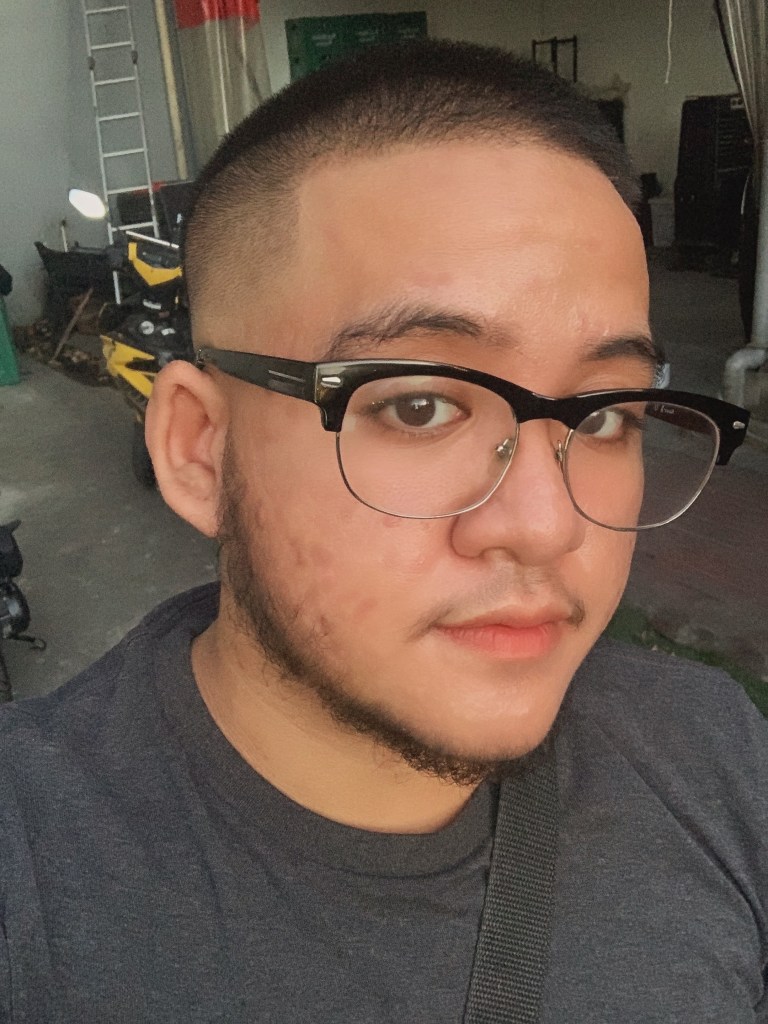
Vii Nicholas just started using a chest binder a year ago, long after his first experience with binding back in high school:
“I tried to bind my chest once for a high school play, but I had bruises and sores after that,” he says. “Before, I had to wear a jacket or a sweater whenever I went outside or when I went to school because of how dysphoric I felt about my chest, and because I was being harassed as well in public transportation or when it was crowded. It didn’t feel comfortable at all, since we’re in the Philippines; the heat and global warming did not help at all.”
“But when I found out that I could wear it [a binder] properly without having to use pins, and that I could breathe well while wearing it, it was very euphoric and gender-affirming. I feel at peace whenever I go outside. It feels like I’m wearing inner armor, making me feel safe, protected and secured.”
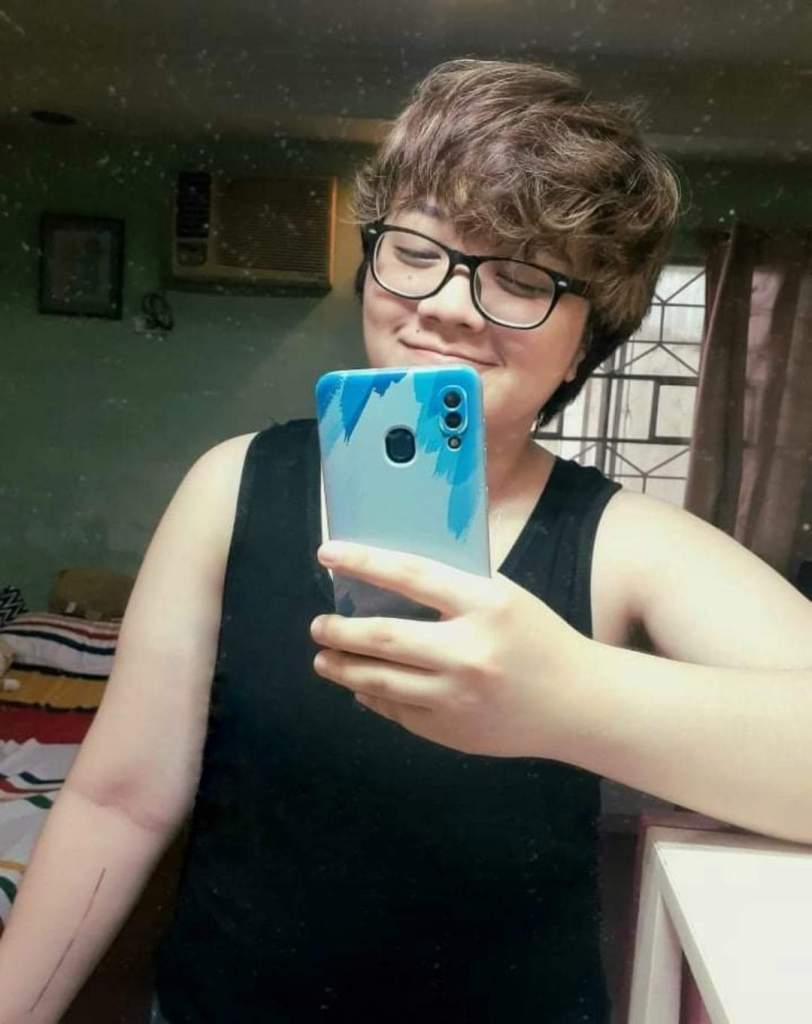
Reeves Hanlon, like many transmasculine Filipinos, began his own chest binding journey by Googling “how to flatten your chest.” He started wearing chest binders in 2018 and continues to wear them today because of how they made him feel:
“It made me feel at ease, despite it being uncomfortable to wear, and too hot sometimes, and breathing makes it complicated,” he shares. “But it is all worth it, because the tightness of every binder and blisters I get from transtape represent my freedom and happiness whenever I check myself out in the mirror wearing clothes I’m comfortable wearing.”
“It made me able to be more comfortable being seen as me by everyone. It gave me a boost of confidence in public as being me.”

Chest binding in the Philippines is very much a community-guided effort; transmasculine and nonbinary Filipinos are constantly learning from each other the best ways to go about it. At the same time, however, much could be improved about making information about this practice more accessible and more contextualized to the Filipino experience.
There needs to be more support in general for transmasculine Filipinos, especially when it comes to expressing their identities safely and comfortably. And non-trans communities, in turn, need to take an active role in making the country a safer space for them to do so.
Because when you read stories like Matt’s, Vii’s, and Reeves’, and see to the absolute joy it brings them to be comfortable in their own skin, how could you not?
 Journalixm