
by Ellie Luna
Approx. reading time:
For most of my adult existence, I have been plagued with debilitating anxiety and depression. I was diagnosed with inattentive type ADHD as a young adult, which explained why I had trouble paying attention to hours-long lectures, especially if it required me to be seated in one place for the entire duration. I also had organization and executive function issues growing up. I often lost belongings, couldn’t keep my room presentable for the life of me, and had difficulty following schedules. Unfortunately, mental health awareness was not a thing when I was younger. I was also an achiever as a kid, with at least some academic abilities that were advanced for my level, so no one suspected that I had special needs, too.
In the past several years, interest in exploring alternative treatments for mental health conditions has been emerging. One such avenue is the microdosing of psychedelics. Microdosing is regularly taking minute amounts, around ten to twenty percent of a regular dose, of psychedelics. It’s done to alleviate depression and anxiety, feel calmer, elevate mood, or improve work performance, especially with mentally laborious tasks.
I heard about microdosing and its benefits years ago, but only recently took a close look at it. What convinced me to try it was reading about it having significant positive effects on treatment-resistant depression. Veteran microdosers also say that you can stop microdosing once you’ve achieved the level of healing you’re aiming for. The most commonly microdosed psychedelics, apart from mushrooms, are LSD, MDMA, and ayahuasca.
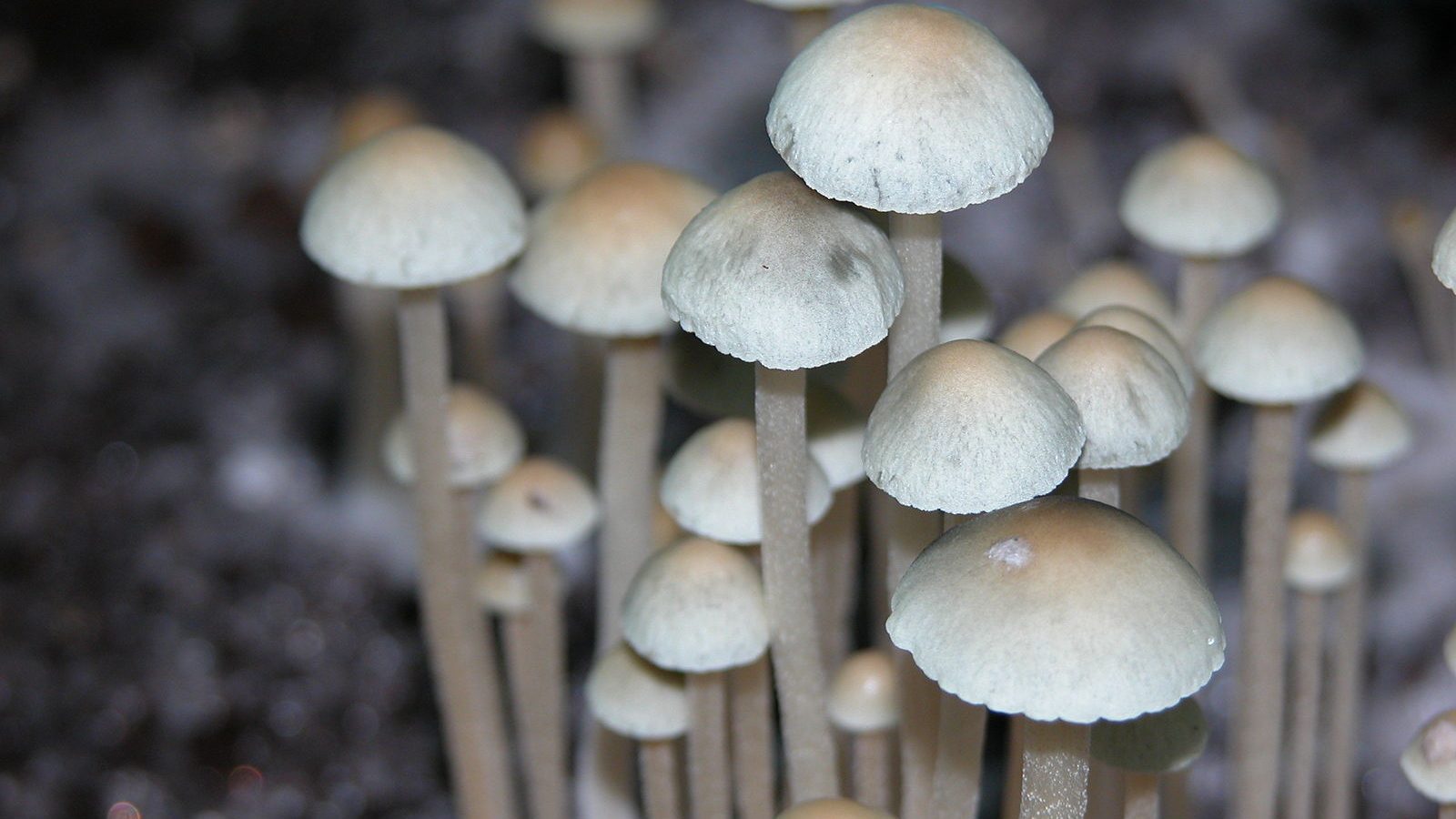
Psilocybin, a psychedelic compound found in certain mushrooms, has a long history of spiritual and medicinal use in indigenous cultures. In fact, there are indigenous Mexican tribes that give hallucinogenic doses to young children and pregnant or breastfeeding moms. I don’t recommend readers trying this on their own because medical doctors strongly advise against the use of any hallucinogenic substances among children and pregnant or lactating women.
Today, science is studying its potential therapeutic benefits, particularly in sub-perceptual doses. For psilocybin-containing mushrooms, the regular hallucinogenic dose starts at one gram, dried. The usual doses are around two to three grams, so a microdose would be 100 to 300 mg.
Experts and seasoned microdosers suggest various protocols that beginners can try for themselves and see which ones fit their lifestyle and objectives best. I chose to microdose mushrooms every other day, which is the protocol that the Netherlands’ Microdosing Institute recommends for people who are recovering from past trauma. I lean towards skinny to medium in size, so I decided that 100 grams would be enough for me. Through a trusted friend, I found a local business that sells magic mushroom capsules.
The first time I took a microdose, I felt mild euphoria an hour after taking the capsule. The colors surrounding me looked slightly brighter, and details were slightly clearer to me. I noticed a lot of things that I usually miss, like the pattern formed by the early morning sunlight streaming through my window, and the birds hopping from branch to branch on the trees and shrubs in the garden outside my window. Everything around me was exactly as they always have been, but somehow, they were also more beautiful. It felt as if they’ve always been that beautiful, but I’ve only noticed it now. I felt happy for no reason. It felt great to be alive.
For the longest time, whenever I felt strong positive emotions, there was this foreboding feeling that accompanied it, as if it was wrong for me to be too happy, and the Universe just had to bring things back to balance by sending a curve ball my way. That feeling I had from my first microdose, though, had none of that. No other shoe was going to drop. There was no, “Yes, I’m happy right now, but-” feeling.
Right that moment, I felt unconditional happiness and I knew that I deserved it. The usual negative mental chatter was quiet. I had all this extra energy and optimism that I was excited to channel into worthwhile projects. I thought of so many creative ideas that I wanted to pursue, and there was no internal voice telling me, “You can’t do it. You’ll just be wasting your time.”
Even so, my elevated mood was grounded. It was not an uncontrollable mania that could make me believe momentarily that I was a god. It was more of, “Yes, you thought before that this dream of yours was unattainable. But maybe not! Would you like to take a second look at it? Yes, it will involve hard work. But guess what? You will enjoy it!”
The feeling faded after a few hours, but a quiet sense of elevated well-being continued to hum in the background. My mind remained calm and quiet. The negative chatter stayed on a low volume. I felt great for the rest of the day. I did not microdose the following day, but I felt about 75% of the positive feelings that I had the day before.
The euphoria lessened every time I took subsequent microdoses and, after more than a week, I reached a point where there no longer seemed to be any difference between my microdosing days and my non-microdosing days. I paused to evaluate my protocol and then realized that I had simply gotten used to my new normal. I had gotten used to significantly reduced negative mental chatter.
I had taken, and am still taking, steps towards the goals I became energized to pursue. I have become more compassionate towards everyone, yet found it easier to uphold my boundaries at the same time. I woke up every morning looking forward to my day. I became more affectionate with pets, and I made friends with a few neighborhood cats.

It has been only less than a month since I started microdosing, but the things I used to feel defeated by now feel manageable. At the rate I’m going, I expect things to get better. Needless to say that if you ask me if I am going to continue microdosing, my answer will be an enthusiastic yes, perhaps with two-week breaks every month to reset my tolerance to zero.
With all of this said, I am by no means an expert on microdosing or on magic mushrooms. My intention for this article is simply to share my experience. I am not a doctor, and this is not meant to be medical advice. Anyone interested in microdosing for mental and emotional well-being will do best to consult a mental health provider, a microdosing coach, or a professional specializing in psychedelic-assisted therapy. Familiarizing yourself with the law regarding psychedelics, as well, and make sure to choose substances that are not prohibited where you are. Always put your safety first.
Editor’s note: This article was written under a pseudonym, and all identifying details have been withheld and/or removed for the protection of the author as well as others who may be involved in this story. Although psilocybin-containing mushrooms are not on the list of prohibited substances in the Comprehensive Dangerous Drugs Act of 2002, psilocybin itself is classified as a Schedule I substance by the UN Convention on Narcotic Drugs. This article was written for education purposes only, and does not actively promote the use of psilocybin.
 Journalixm