
Approx. reading time:
Here’s something to think about: There’s an entire generation out there who only knows the word askal as the name of the Philippines’ National Men’s Football Team.
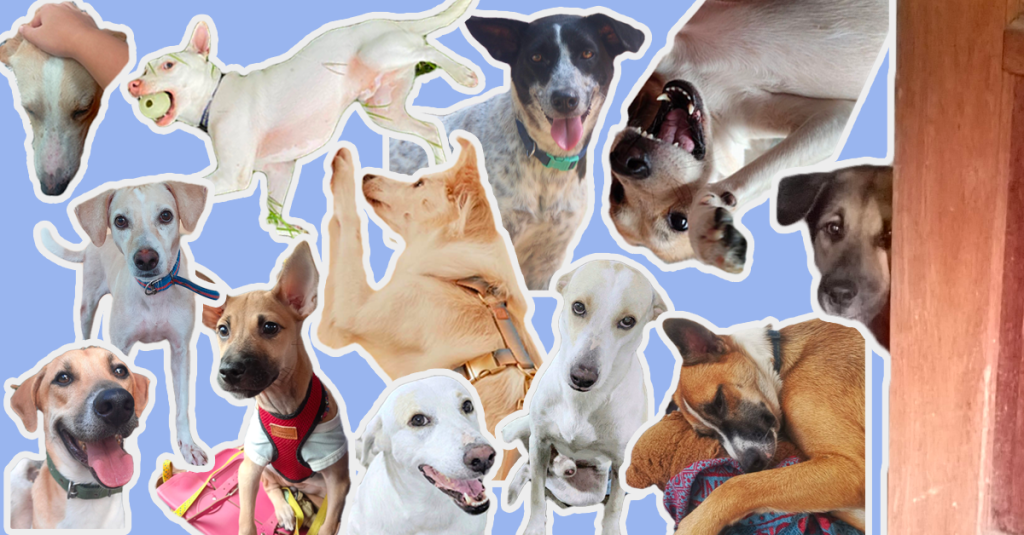
For anyone who grew up in the Philippines in the 90s or earlier, askal—a contraction of asong kalye—was used to refer to the mongrel dogs that were often seen trotting about the streets of our cities. They were, according to our moms, dirty, violent, and annoyingly persistent in ransacking our trash for food. But as anyone will tell you today, those behaviors are a result of being homeless and alone, rather than “mongrel genetics”.
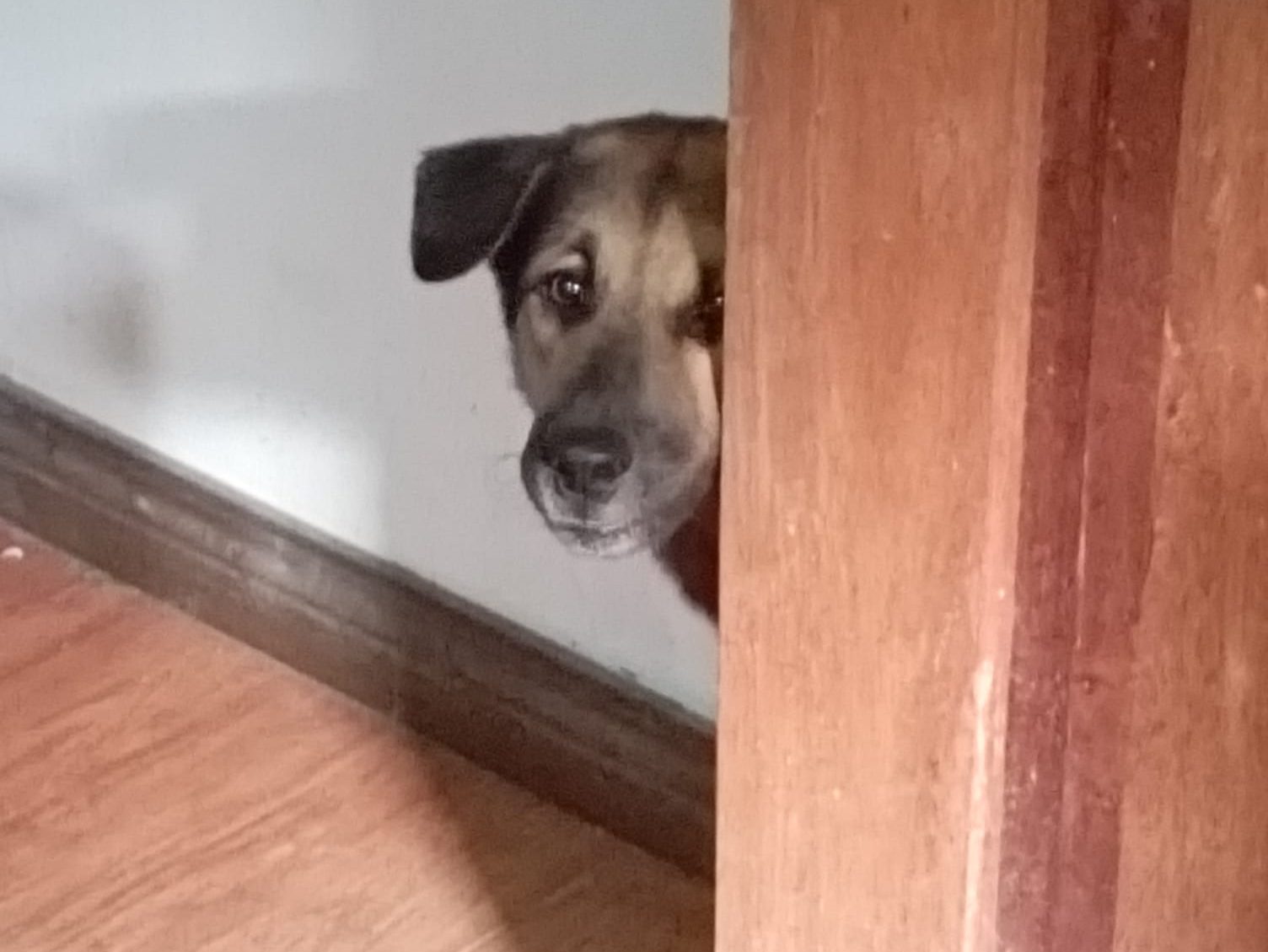
Still, the image stuck. Many Filipinos who kept them as pets often spoke of them a tone belittling their lack of pedigree. While purebred dogs were treated like members of the family (sometimes even better), askals were chained to posts outside the home, fed scraps from the dinner table, and had limited vet visits because, as it was often put, “askal lang ‘yan.” And that’s if they were lucky enough to have homes in the first place.
Then, the single most effective rebranding effort in Philippine history happened.
Step aside, “Love the Philippines”. Bring the “Donuts” back, Dunkin’. PAGCOR logo—you never belonged here anyway. Aspin is and forever will be the rebrand champion, and we as a society are much, much better for it.

In 2007, the Philippine Animal Welfare Society (PAWS) launched a campaign to rehabilitate the image of Filipino mongrel dogs. It centered around coining the word aspin, or asong pinoy, instead of askal, and aimed to remove the association between these dogs and our streets.
“Anything associated with the kalye is derogated, or mas mababa klase,” explains PAWS Director Anna Cabrera. “Like if you’re street food, mas mababang klaseng food kasi nasa street. Babaeng kalye is derogatory for the women. And then kung batang kalye, pinabayaan ka ng magulang mo, iniwan ka lang sa kalye. They don’t care.”
“Lagi naming sinasabi na these are native dogs,” she continues. “These are Filipino dogs, and yet they’re treated like second-class pets in their very own country. So it’s time for them to be treated the way they should be treated.”
“There’s a lot in a name. If you call your dog ‘Killer’, it’s going to have some impact on the name. So sabi namin, it’s good that we’re about to take out the kalye in the term askal. Because to own the asong pinoy as Pinoy, I think that’s the start of a big change already in terms of attitude or behavior towards the native dog.”
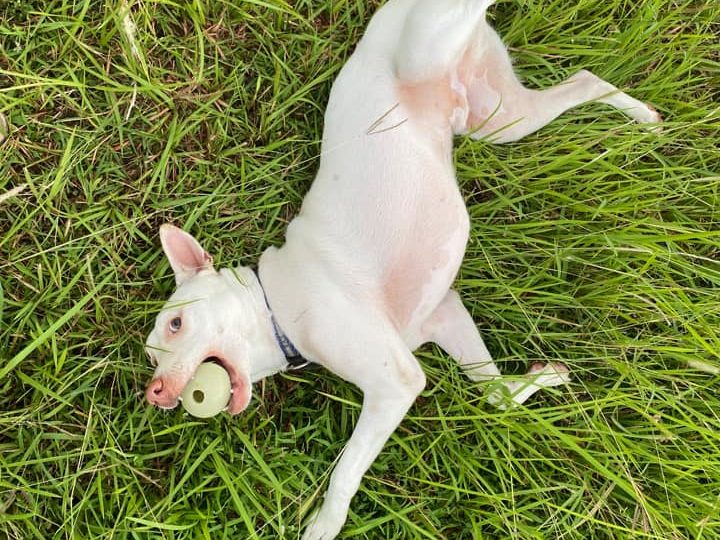
Sharon Bengzon-Yap, Education and Campaigns Officer for PAWS, adds: “Parang nag-shift na rin or nag-change na rin yung dating iniisip natin na pag askal ‘yan, mangangagat ‘yan, wild ‘yan, bantay ‘yan. So hindi siya pwedeng ilabas kasi pambahay lang siya.”
“You will see people posting on their social media that their aspins are also as pampered as their breeded counterparts,” she says.
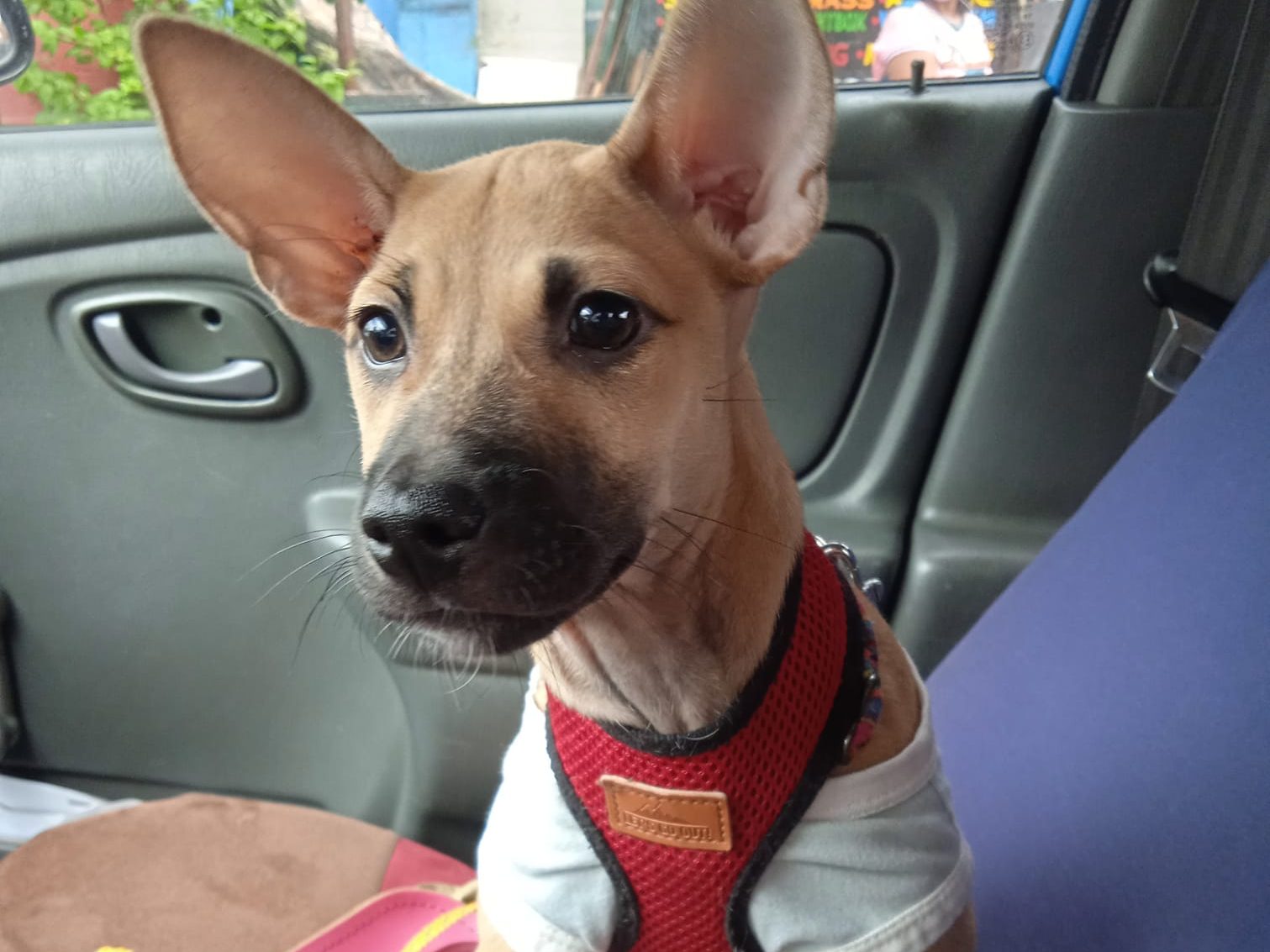
It’s true that there was an inherent classism behind the term askal, and it speaks volumes of how Filipino society is so strongly defined by it. Just as people can be turned away by mall security simply for appearing “lesser” than middle-class, so too, were native dogs prior to the aspin rebrand. It used to be that pet-friendly malls would only allow dogs of certain breeds and sizes to enter.
But a person’s financial circumstances do not necessarily reflect their qualities as human beings, and neither does a mixed lineage reflect an aspin’s characteristics. In fact, due to the diversity in their genetic makeup, aspins are often found to be physically resilient, of malleable temperament, and remarkably intelligent so long as they are afforded the same love and care given to purebreds.
As Sharon puts it, “Given the opportunity that we would be giving their breeded counterparts, since they’re a mixture of everything, they can actually be mas matalino. They can be more trainable basta given the equal treatment that they have.”
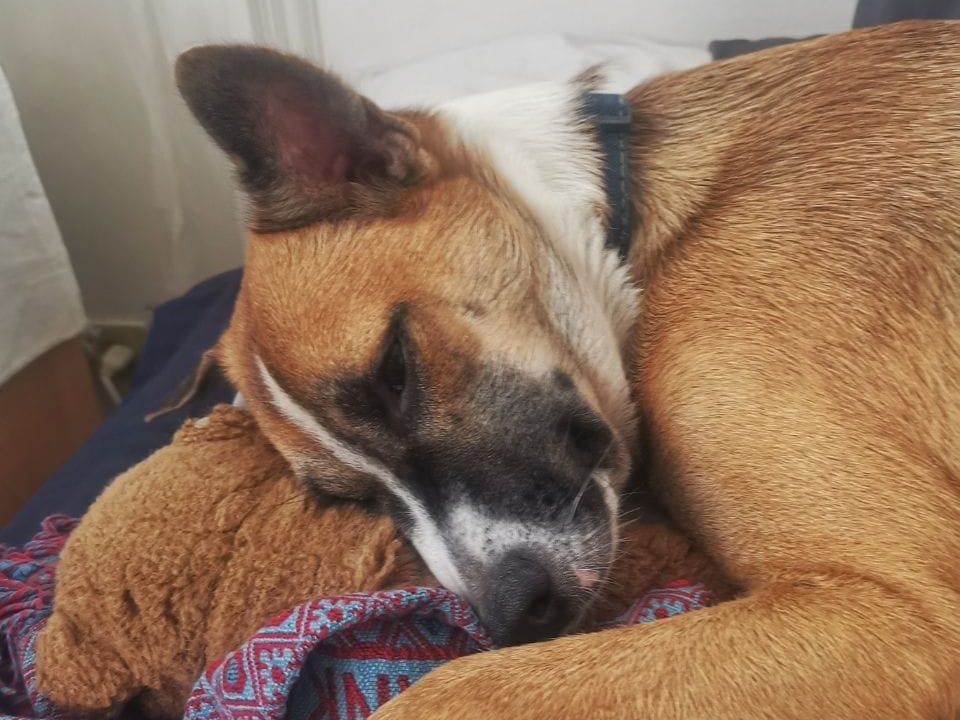
Sharon stresses the point of equal treatment as we speak, and it’s something that Anna brings up as well in our separate interview.
“We shouldn’t be enabling the notion that if you’re a native dog, then you deserve to be kalye lang,” Anna says. “But if you’re a shih tzu, katabi kita sa kama, kumakain ka ng dog food, tapos hindi kita papatambayin sa labas.”
Shifting away from kalye and towards Pinoy reminds us that, on a fundamental level, these dogs should be treated as equals with their purebred counterparts. And while it doesn’t solve the greater problem of classism everyday Filipinos struggle with, it does suggest that there are genuine paths to bridging these gaps.
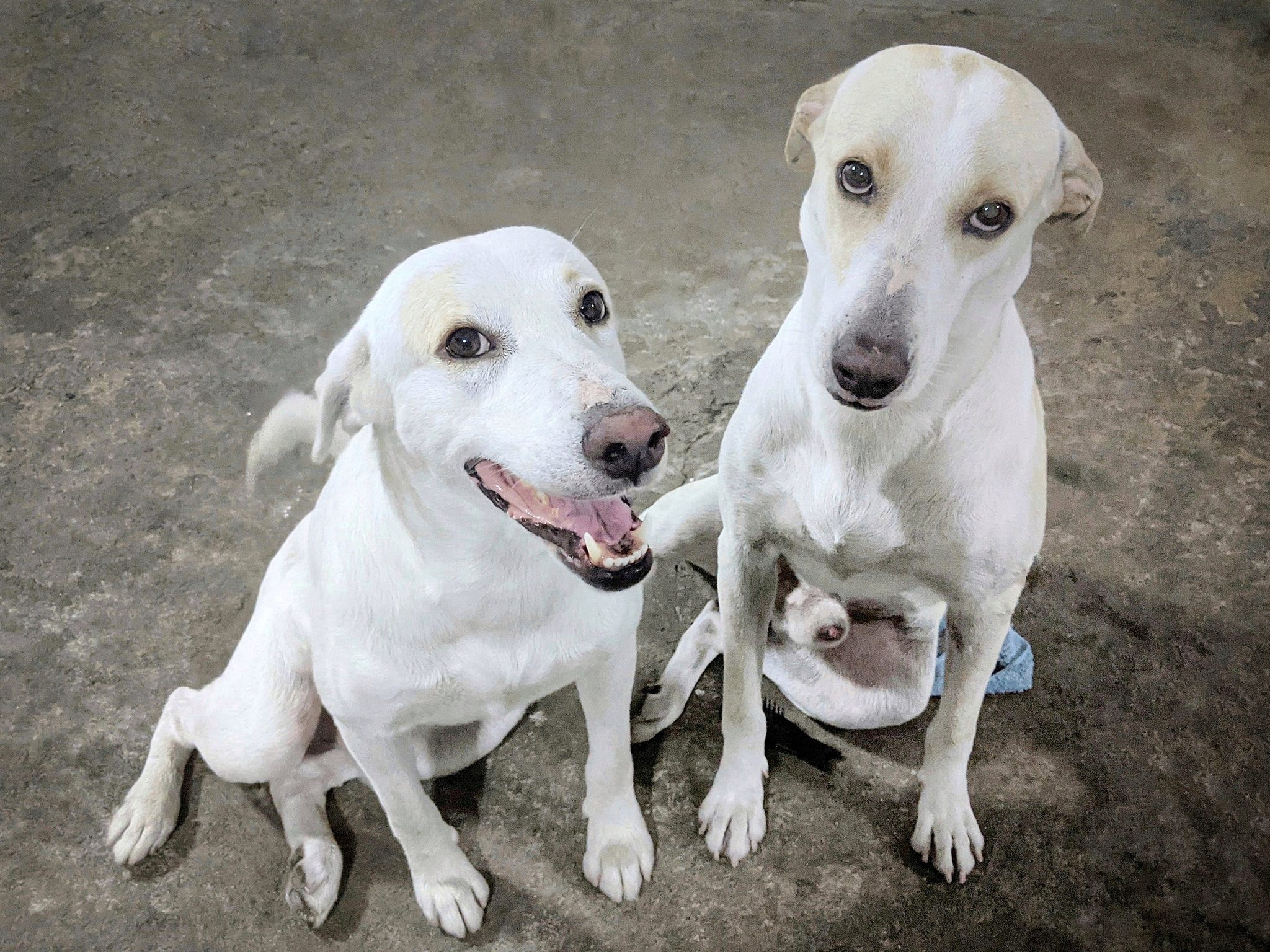
The aspin, once relegated to the streets, is now in the homes of the likes of Heart Evangelista, Alden Richards, and Fernando Zobel de Ayala—people who could afford any breed they wanted, but chose to adopt aspins. They’re treated just as well as any other pet in their affluent households, and are thriving as a result. Some, like Panda Ongpauco Escudero, have even become aspirational influencers.
Middle-class households have also seen a rise in aspin adoptions altogether, particularly during the pandemic. Their affable, energetic nature and relative ease of care have made them a popular choice among pet owners.
What all this shows us is that dogs of all backgrounds can thrive as long as they are given the same opportunities as more “privileged” breeds—something to ponder on beyond pet classism.

The aspin rebrand also goes beyond classist attitudes towards these dogs. According to Anna, there was an undercurrent of resilience porn that used to exist with the askal name, so much so that it was the basis of the Azkals moniker for the National Men’s Football Team.
“The football team was named ‘Azkals’ because they’re resilient, with hardly any support from the government,” she says. “Let’s stop romanticizing resilience kasi the football players needed support from the government, and you can’t keep on saying na ‘Oo, even without support, we flourished.’ We shouldn’t be enabling that.”
In the same vein, Anna explains, we shouldn’t romanticize the notion of dogs thriving on our streets, because they shouldn’t be on the streets in the first place. Resilience is less than a band-aid solution for dog homelessness; it makes people ambivalent to the problem.
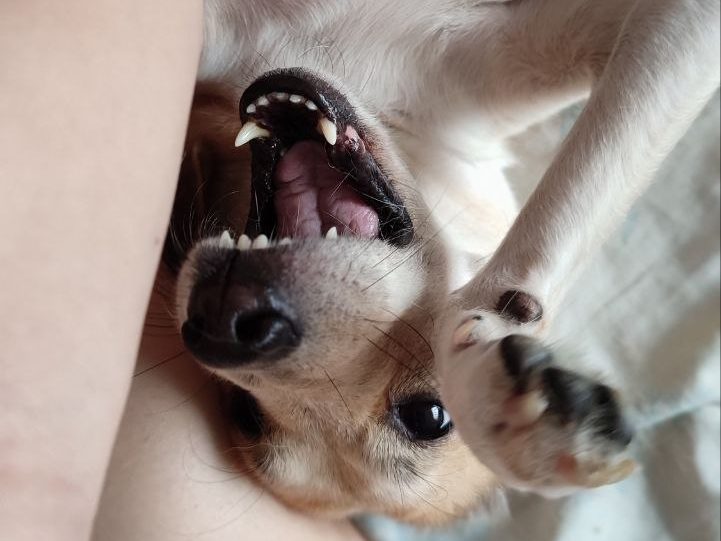
This is why PAWS pushes so hard to break the association between dogs and the streets: they want to avoid the normalization of strays. The term aspin is meant to focus on the positives of these dogs, and on connecting them with our Filipino identity. They’re meant to be celebrated as one of us, because they are Filipinos. There’s no other breed in the world like them.
To this end, PAWS initiated National Aspin Day, strategically set on August 18 for its proximity to both International Dog Day and Buwan ng Wika. This year, the celebration proper will be held on August 20, 2023, at UP Town Center. The event aims to bring people together over their love of our uniquely Pinoy aspins, and is loaded with fun activities such as the Binibining Aspin and Ginoong Aspin pageants, as well as a parade of aspins.
PAWS has also relaunched their Aspin Club, which hosts other fun events for aspin owners, alongside opportunities to bond with them further. These events are held to raise funds for PAWS’s projects, as well as for the PAWS Animal Rehabilitation Center (PARC), where homeless dogs and rescues are taken in, treated, and trained for rehoming with a loving family.
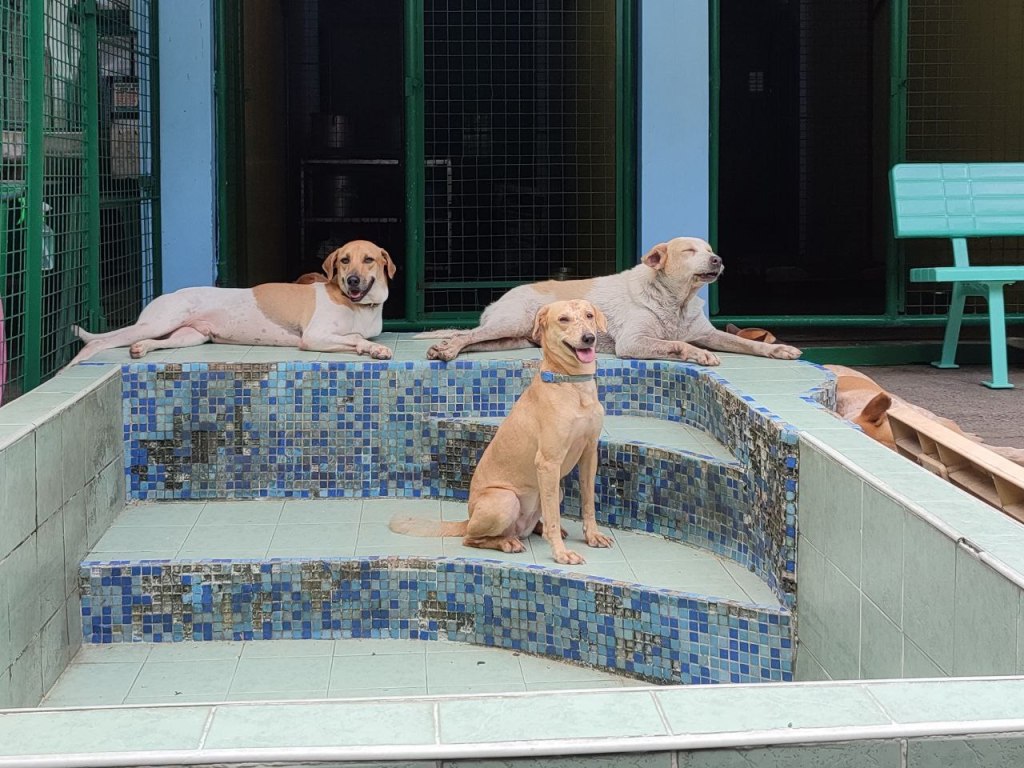
In less than 20 years, the word askal has become akin to an appendix—a vestigial organ of our language. As time moves forward, we’ll forget it even was there. That’s just how effective the aspin rebrand is.
But beyond a rebrand, it’s also important to note how powerful language can be. Something as simple as a name change has the ability to uplift how society sees something, as well as the attitudes it inspires in us.
Aspins are now seen as valued members of the family—far from the roadside pests they used to be known as. And because of that, we’ve learned to treat them the way we would treat our own children: with love, care, and respect.
It took just one word to turn things around for them. And that, to me, is nothing short of amazing.
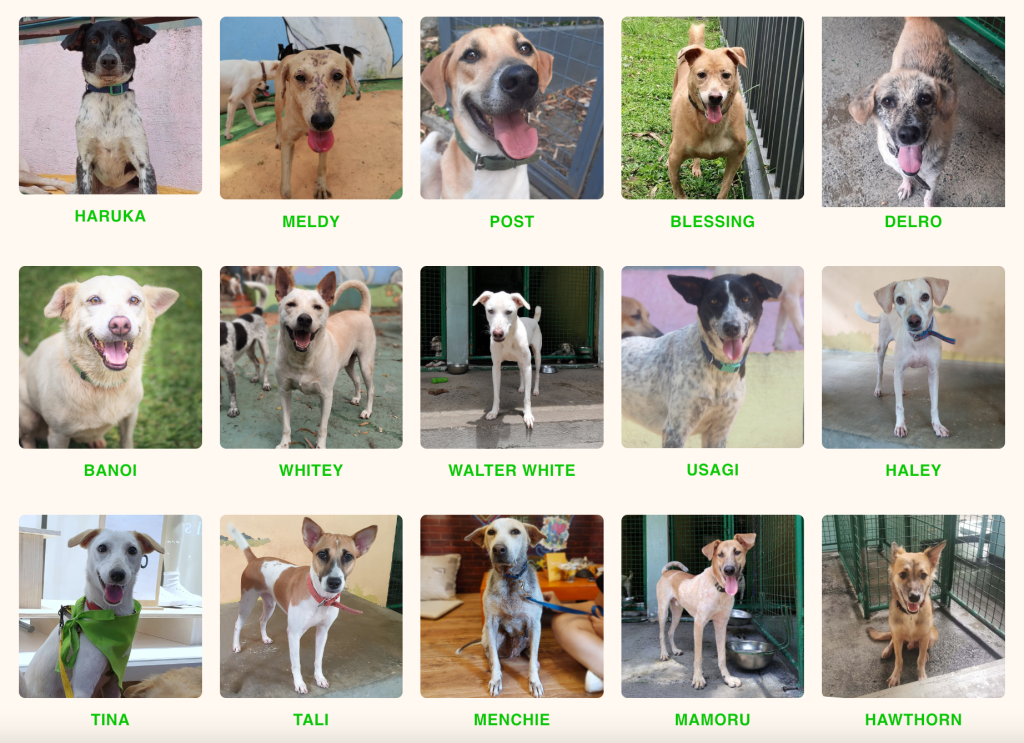
If you’re looking to bring a pet into your family, please consider adopting! There are many aspins and puspins (pusang pinoy) in need of homes. Contact PAWS and other shelters to schedule visits and to meet the brightest new addition to your household.
 Journalixm